How Clear Technical Manuals Improve Safety and Efficiency for Multinational Offshore Crews
How Clear Technical Manuals Improve Safety and Efficiency for Multinational Offshore Crews
Jan 15, 2026
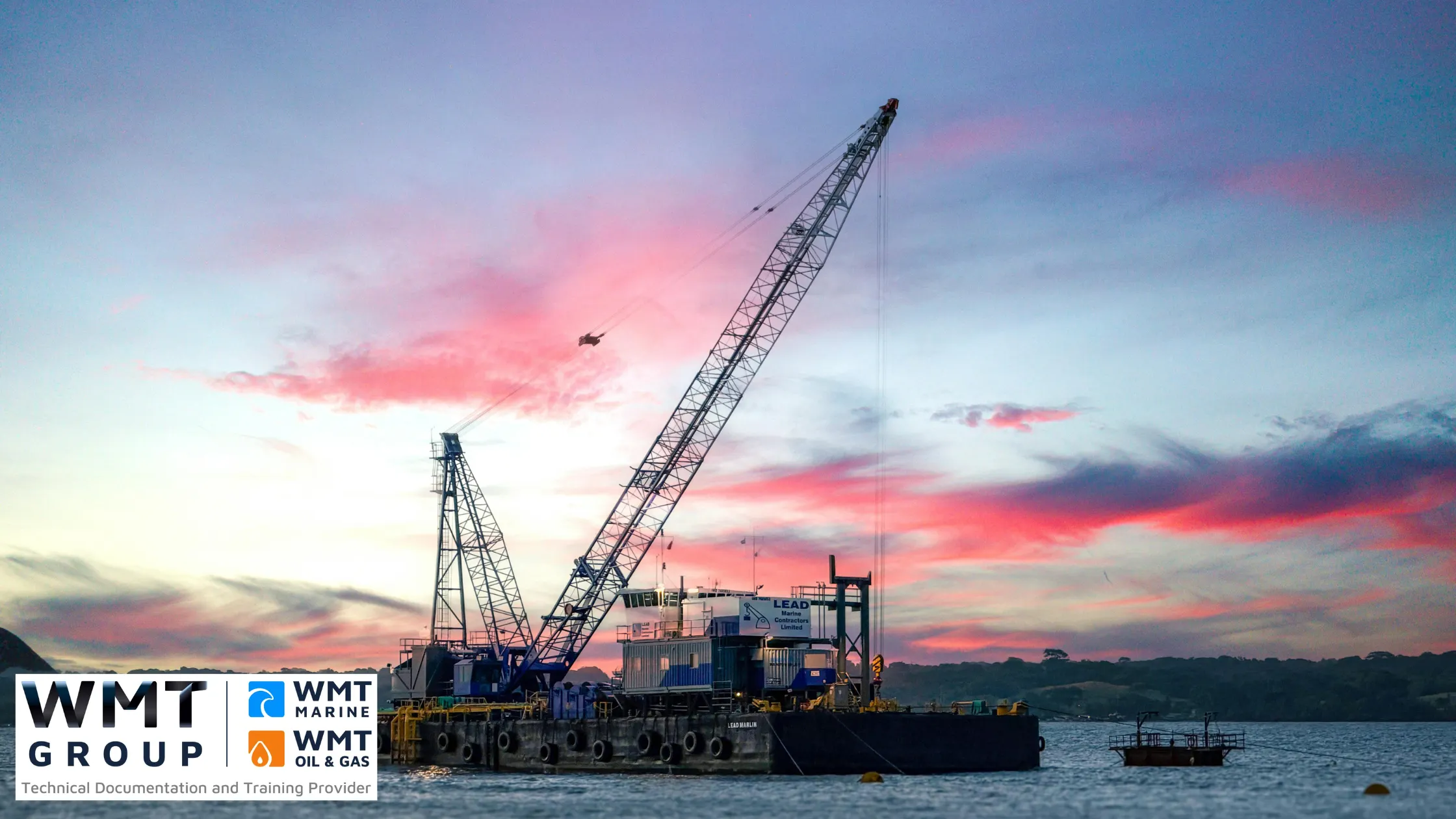
Offshore operations often rely on multinational crews working in high-risk, time-critical environments. When personnel come from different countries, backgrounds, and training systems, clear technical manuals become a fundamental safety and efficiency tool rather than a formality.
The Communication Challenge Offshore
Multinational offshore teams frequently operate with:
- Multiple native languages
- Varying interpretations of technical terminology
- Different levels of familiarity with equipment and procedures
Without clearly written manuals, these differences can lead to misunderstandings, operational errors, and increased safety risks.
Why Clarity Saves Time and Lives
Clear technical manuals provide:
- Consistent step-by-step instructions
- Unambiguous terminology across all procedures
- Logical document structures that are easy to follow under pressure
This reduces reliance on verbal explanations and ensures tasks are completed correctly the first time.
Structuring Manuals for Global Crews
Effective offshore manuals are designed with the end user in mind. Best practices include:
- Plain English writing suitable for non-native speakers
- Visual aids such as diagrams, flowcharts, and tables
- Standardised formatting across all manuals
- Clear warnings, cautions, and safety notes
These elements support faster understanding and safer execution.
Supporting Compliance and Audits
Well-structured manuals help demonstrate compliance with offshore regulations, safety management systems, and international standards. They also provide clear evidence during audits, inspections, and incident investigations.
Conclusion
Clear technical manuals are a critical operational asset offshore. By investing in professionally written documentation, operators protect their crews, improve efficiency, and reduce operational risk across multinational teams.